Free Delivery (by us) for Orders Over $550. Available in VIC metros only.
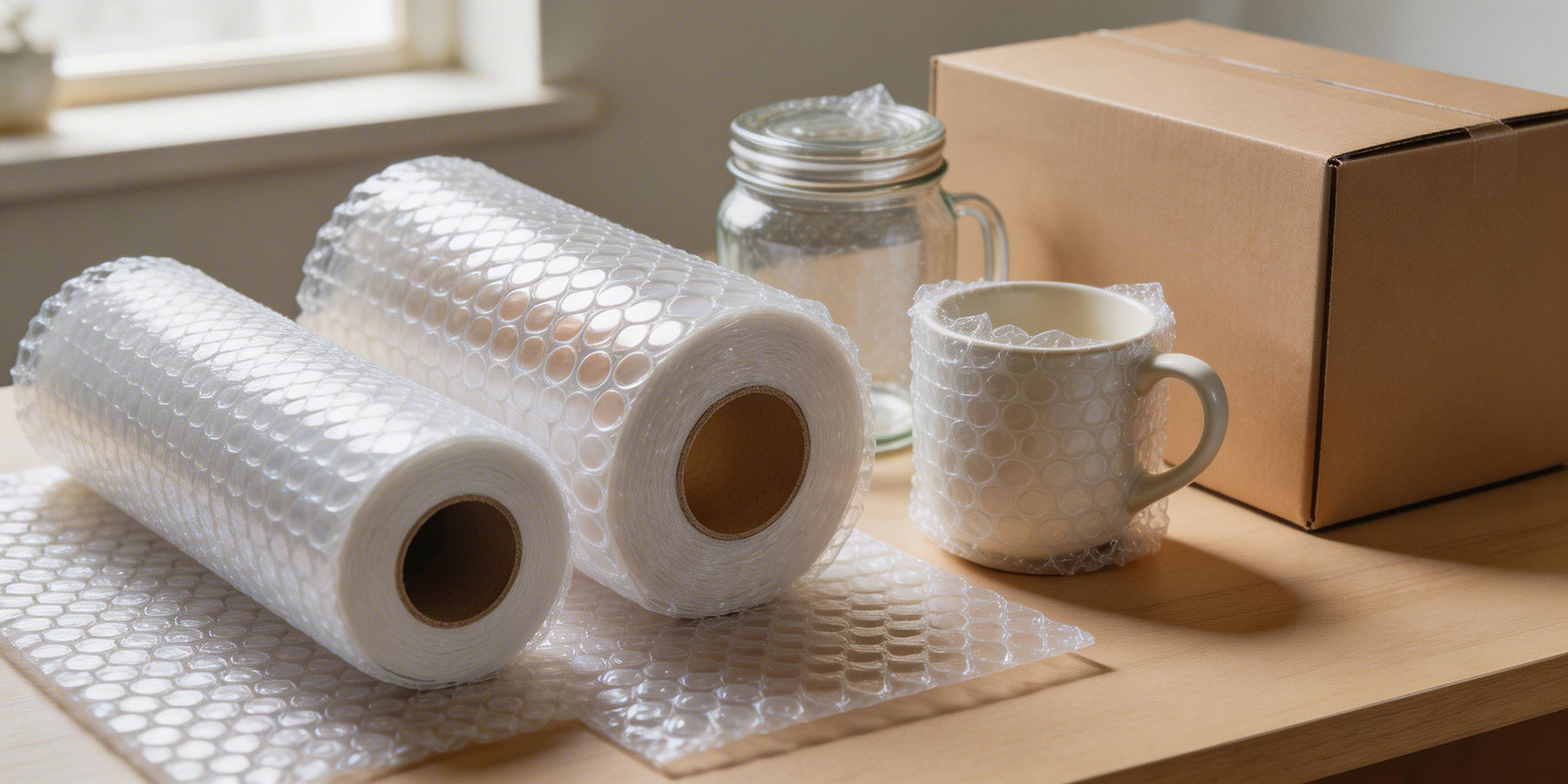
Bubble wrap is one of those products that seems simple until you’re standing in front of a shelf of options wondering why there are six different types. Small bubbles, large bubbles, foil-coated, double layer, perforated – each one exists for a reason, and picking the wrong one can mean wasted material, inadequate protection, or both.
Here’s how to cut through the options and choose what actually suits your needs.
What Bubble Wrap Actually Does
Before getting into types, it helps to understand the two distinct jobs bubble wrap performs.
The first is surface protection – the bubbles create a soft barrier between your product and anything it might rub against during transit. This matters for items with finishes that scratch easily: glassware, lacquered surfaces, polished metal, screen-facing electronics.
The second is cushioning – the air inside the bubbles absorbs impact energy, reducing the shock your product experiences when a box is dropped or knocked. This is what protects fragile items from breaking.
These two functions are related but not identical, and the type of bubble wrap you choose affects how well it performs each one.
Bubble Size: Small vs Large
The most fundamental choice is bubble size, and the rule is straightforward: small bubbles protect surfaces, large bubbles absorb impact.
Small bubbles (10mm) conform closely to irregular shapes and provide excellent surface protection. They’re the right choice for most everyday e-commerce products – cosmetics, bottles, small electronics, ceramics, and anything with a finish worth protecting. Small bubble bubble wrap is also more flexible and easier to wrap tightly around awkward shapes.
Large bubbles (20mm+) trap significantly more air per bubble, which translates to greater impact absorption. They’re better suited to heavier or more fragile items where drop protection is the primary concern – think glassware, instrument components, or dense items that generate more force on impact. The trade-off is that large bubbles don’t conform as well to irregular surfaces.
As a general guide: if your main concern is scratching and surface damage, go small. If your main concern is breakage from drops or impacts, go large.
Specialty Types and When You Need Them
Foil Bubble Wrap – Temperature-Sensitive Products
Foil bubble wrap has a metallised film layer bonded to one or both sides of the bubble sheet. This layer reflects radiant heat, which makes it effective for products that need some degree of temperature stability during transit – food products, certain cosmetics, pharmaceuticals, and similar goods. It’s not a replacement for gel ice packs in a proper cold chain, but for shorter journeys or mild temperature concerns, it provides meaningful insulation that standard bubble wrap simply doesn’t.
Double Layer Bubble Wrap – Heavy or High-Value Items
Double layer bubble wrap is exactly what it sounds like: two layers of bubbles bonded together, delivering roughly twice the cushioning depth of a single sheet. It’s worth the additional cost when you’re packing items that are heavy enough to compress standard bubble wrap flat on impact – dense machinery components, large glass panels, high-value collectibles. If a single wrap doesn’t feel substantial enough when you squeeze it around your product, double layer is likely the right call.
Perforated Bubble Wrap – High-Volume Packing Operations
Perforated bubble wrap comes pre-scored at regular intervals so you can tear off consistent lengths without scissors or a knife. For businesses packing dozens or hundreds of items per day, this is a genuine time saver – there’s no measuring, cutting, or fumbling with tools mid-pack. The protection properties are identical to standard bubble wrap; the difference is purely operational efficiency. If you’re running any kind of fulfilment operation, perforated is almost always the better choice over a plain roll.
Eco-Friendly Bubble Wrap – Sustainability-Conscious Brands
Standard bubble wrap is made from virgin polyethylene, which is not widely accepted in kerbside recycling in Australia. Eco-friendly bubble wrap is manufactured from recycled content and is designed to be recyclable through soft plastics collection points. If your brand has made sustainability commitments to your customers – or you simply want to reduce your plastic footprint – it’s a straightforward swap that doesn’t compromise on protection performance.
20mm Bubble Wrap – Maximum Cushioning
At 20mm bubble depth, this is the most heavy-duty cushioning option in the standard bubble wrap range. It’s the right choice when you’re shipping large, heavy, or particularly fragile items where maximum impact absorption is the priority – large sculptures, antiques, audio equipment, or anything that would be very costly to replace if damaged. Because the bubbles are large, a single wrap layer provides substantial depth, which also means it uses more material per item, so it’s best reserved for products that genuinely need it.
How Much Bubble Wrap Do You Need Per Item
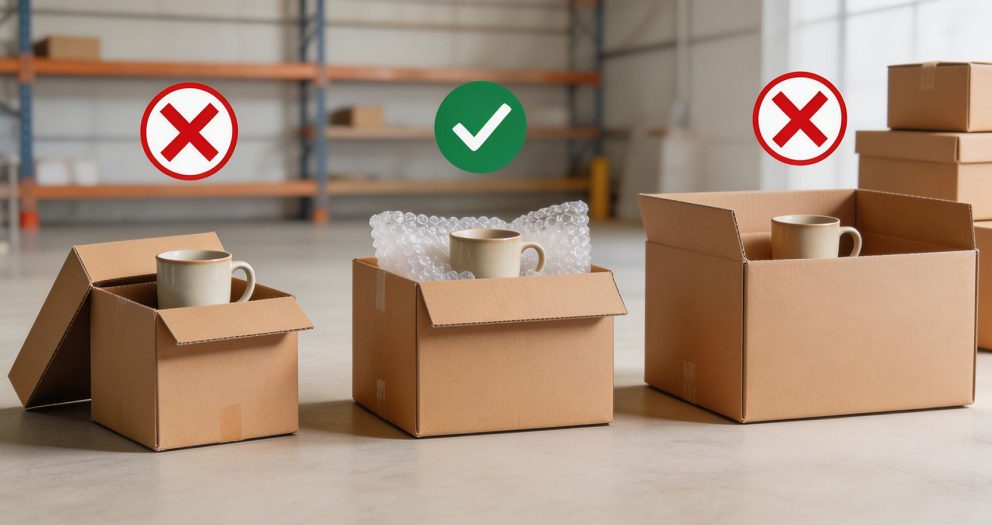
A useful starting point is one full wrap around each side of the item, with enough overlap to secure with tape. For fragile items, two wraps is a reasonable standard.
For awkward shapes, wrap the most vulnerable parts – corners, protruding elements, glass faces – first with a tighter piece, then wrap the whole item in a second layer. Corners and edges are where most damage originates in transit, so they warrant extra attention.
If you’re packing multiple items in one box, each piece should be wrapped individually before being placed together. Contact between unwrapped items is one of the most common causes of transit damage that bubble wrap could have prevented.
When Bubble Wrap Isn’t the Right Choice
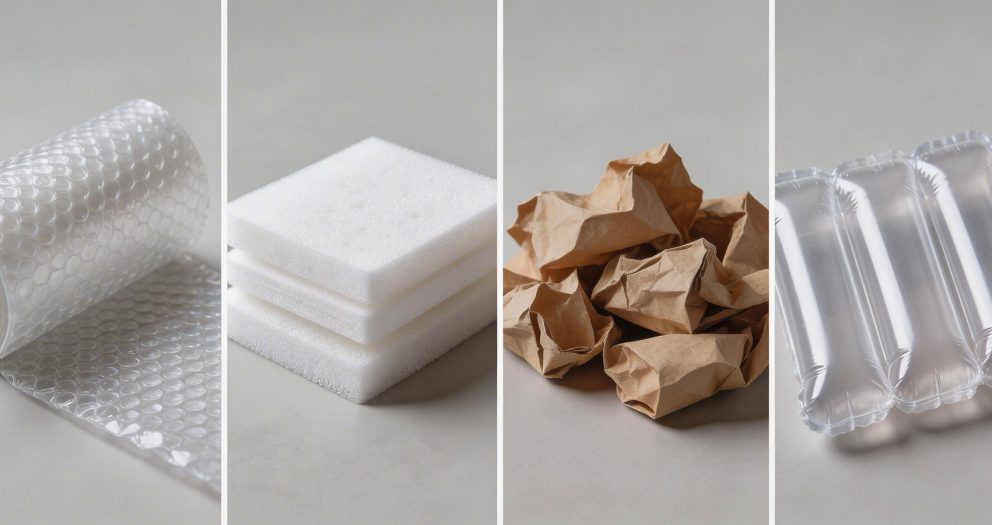
Bubble wrap isn’t the answer to every protection problem. For items with very smooth, high-gloss surfaces – certain lacquered products, optical lenses, highly polished metalwork – the bubble pattern itself can leave impressions under sustained pressure. In these cases, foam wrap is a better first layer: it’s flat, soft, and won’t mark surfaces even when wrapped tightly for extended periods.
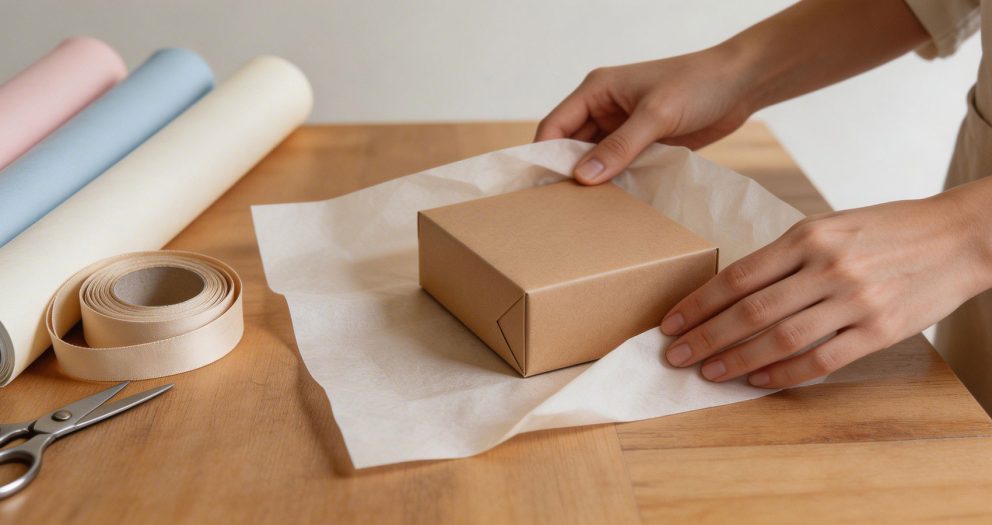
Tissue paper is another option when surface protection is the only concern and cushioning isn’t needed – for example, wrapping garments or soft goods before boxing to prevent creasing or scuffing.
The right answer is often a combination: foam or tissue as a first layer directly against the product surface, with bubble wrap as an outer layer to handle the cushioning job. Getting both layers right is what separates well-packed parcels from ones that arrive damaged.
Stanley Packaging stocks the full bubble wrap range with same-day dispatch available. If you’re ordering for a business and want to talk through which type suits your products, call us on (03) 8795 7876 – we’re happy to help you work it out before you commit to a bulk order.