Free Delivery (by us) for Orders Over $550. Available in VIC metros only.
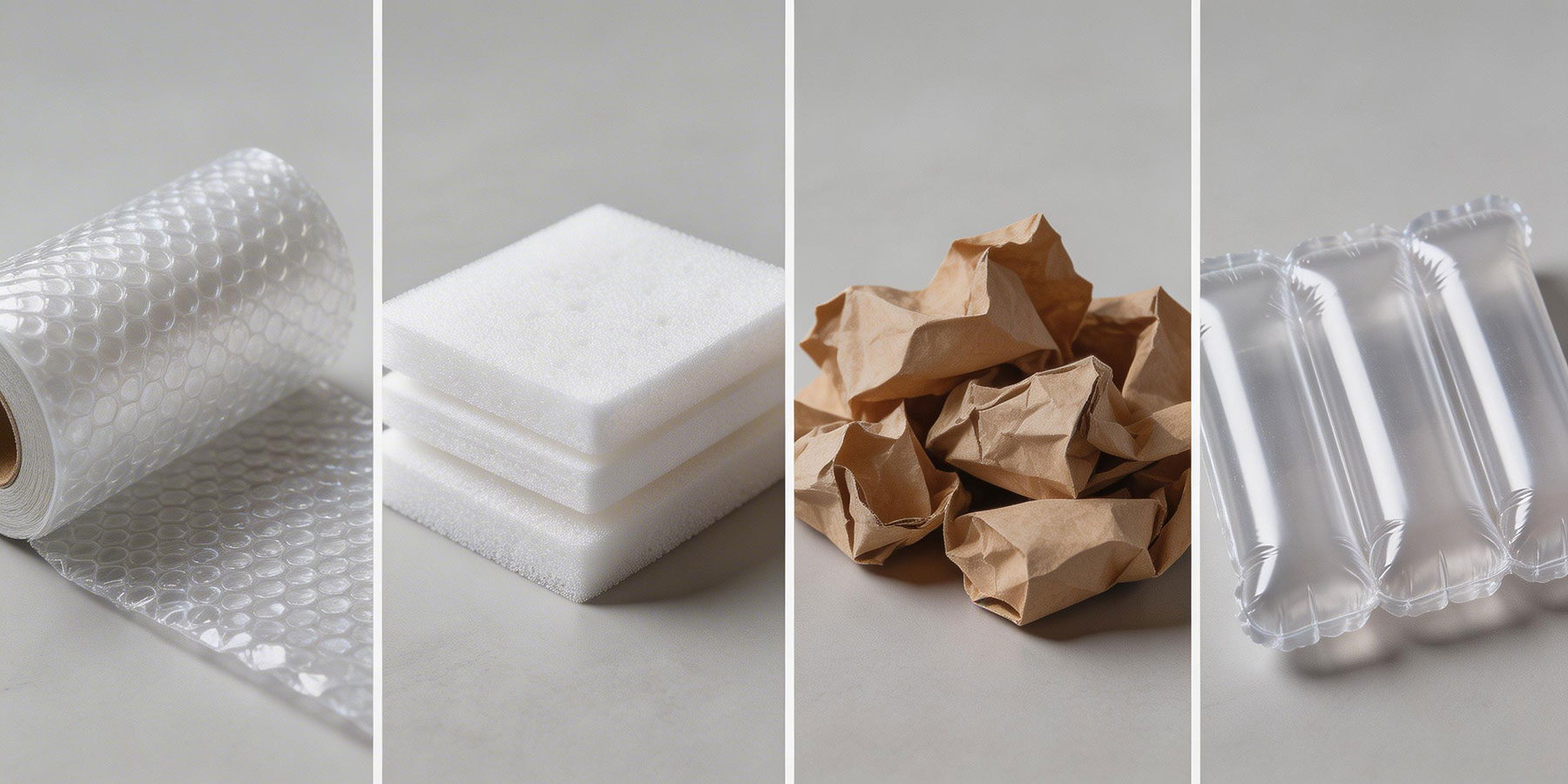
When a box arrives with a broken product inside, the packaging itself is rarely the first thing people blame. But in most cases, the culprit isn’t inadequate wrapping around the item – it’s inadequate void fill in the box. If your product can shift during transit, it will. And when it does, the impact forces it experiences are far greater than anything a well-packed stationary item would encounter.
Choosing the right void fill is one of the most practical decisions in your packaging setup. Here’s how the main options compare.
What Void Fill Actually Does
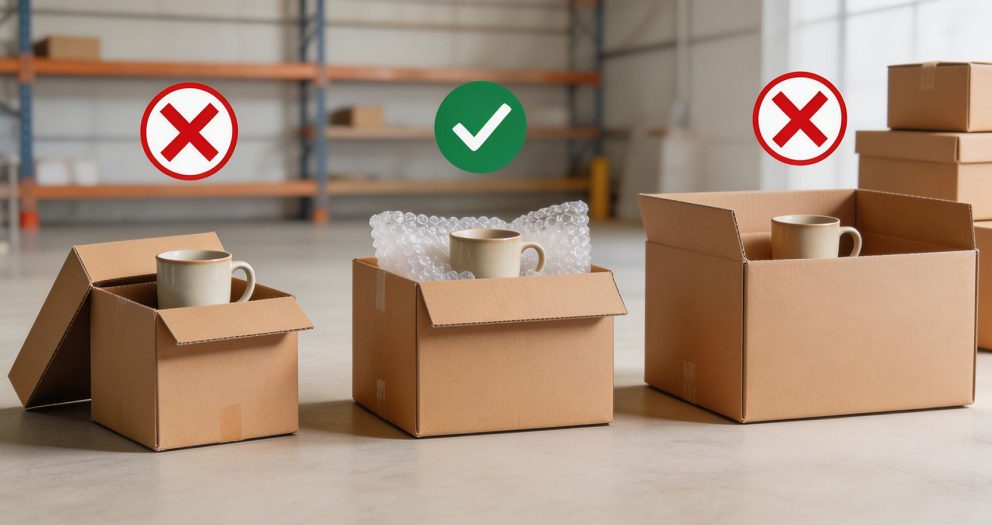
The job of void fill is straightforward: it fills the empty space in a box so the contents cannot move. When a box is dropped, thrown onto a conveyor, or stacked under other parcels, a product that has no room to shift absorbs that energy through its wrapping and the box walls rather than through sudden acceleration across empty space.
A product wrapped beautifully in three layers of bubble wrap but sitting loose in a half-empty box will still sustain damage. The wrapping handles surface contact and minor compression; void fill handles movement. Both matter, and neither substitutes for the other.
The Options Compared
Bubble Wrap
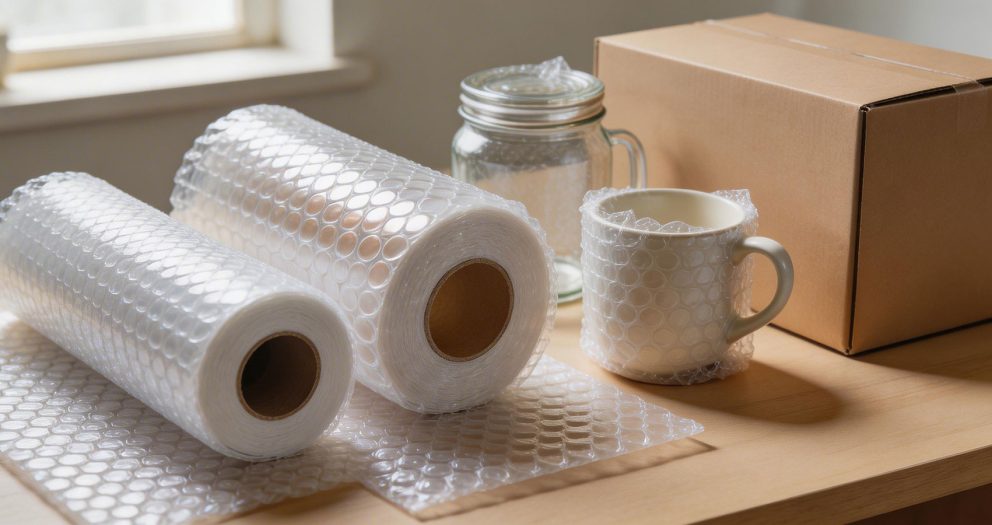
Bubble wrap is the most familiar void fill option and works well in most general applications. Crumpled or loosely folded into a box, it creates a compressible cushion that conforms to irregular shapes and absorbs impact effectively. It’s also reusable – customers receiving bubble-wrapped orders frequently hold onto it, which is a minor sustainability point worth noting.
The downsides are storage and cost. Bubble wrap takes up significant space before use, which is a real consideration for businesses operating out of small warehouses or home setups. Per cubic metre of void fill created, it’s also more expensive than paper alternatives. For high-volume operations packing many boxes per day, those costs accumulate.
Foam Wrap
Foam wrap is a better choice than bubble wrap when you need void fill that also maintains direct contact with delicate surfaces. Flat foam sheets can be folded and shaped to fill gaps while simultaneously protecting the product surface from marks or impressions. This makes it particularly useful for electronics, polished metalware, and anything with a finish that bubble texture might affect under sustained pressure.
Foam wrap is less compressible than bubble wrap, which means it provides more resistance to compression but less energy absorption on sharp impacts. For most e-commerce applications, this distinction matters less than people expect – the primary function needed is usually movement prevention rather than drop protection.
Paper and Kraft Paper
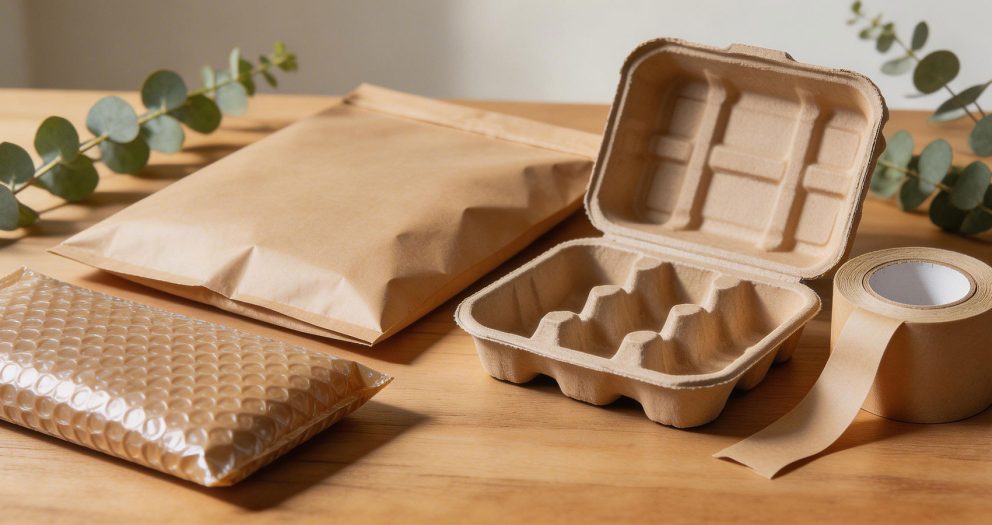
Paper void fill – whether crumpled kraft paper sheets or purpose-made packing paper – is the most cost-effective option per unit of void fill created, and it’s the most straightforward to dispose of from the recipient’s perspective. It goes in the recycling bin with no questions asked, which matters to customers who are conscious of packaging waste.
Crumpled kraft paper creates a surprisingly effective cushioning layer when packed firmly enough. The key word is firmly – loosely placed paper compresses quickly and allows movement. Properly crumpled and packed paper that fills the box snugly performs comparably to bubble wrap for most product types.
The limitation is that paper adds weight to the parcel. For lightweight products where dimensional weight is already the pricing driver, the added gram count is negligible. For heavier shipments where actual weight is being charged, packing paper can nudge you into a higher courier rate tier.
Air Pillows
Air pillows are inflated plastic cushions, typically produced on-demand using a small inflation machine. They’re the highest-volume void fill option available – a compact roll of uninflated film produces a large number of pillows – which makes storage extremely efficient. For businesses packing at scale, the space saving alone is often the deciding factor.
The trade-off is the upfront equipment cost if you’re producing them in-house, and the per-unit cost if you’re buying them pre-inflated. They also provide less surface contact than crumpled materials, which means they’re better suited to products in their own inner packaging rather than bare items that need something conforming around them.
How to Choose Based on Your Situation
Small volume, mixed products: Bubble wrap or kraft paper. Both are flexible enough to handle different box sizes and product types without committing to a single system.
High volume, efficient operation: Air pillows if you have the equipment, or perforated bubble wrap rolls for faster tearing. The goal at volume is consistent packing speed with reliable protection.
Delicate surfaces or electronics: Foam wrap as the inner layer, with bubble wrap or paper filling remaining void space.
Sustainability a priority: Kraft paper is the cleanest option – recyclable, compostable, and produced from a renewable material. Recycled-content bubble wrap is also available if you need cushioning performance with a lower environmental footprint.
Very limited storage space: Air pillows (uninflated) or flat foam sheets. Both store compactly before use.
How Much Void Fill Is Enough
The practical test is simple: once the box is packed and closed, shake it. If you can feel or hear the contents moving, you need more void fill. A properly packed box should feel solid when shaken – the contents should feel fixed in place rather than loose.
For fragile items, press down on the top of the closed box with moderate pressure. If the box walls flex significantly inward before meeting resistance from the void fill, there isn’t enough material inside to protect the product from compression during stacking.
It takes slightly more material than most people initially use, but the alternative – a damage claim and a replacement shipment – costs considerably more than a few extra sheets of kraft paper or an extra layer of bubble wrap. Stanley Packaging stocks all of these options in bulk quantities, with orders dispatched within one business day. Call (03) 8795 7876 if you’d like a recommendation based on your specific products and packing volume.