Free Delivery (by us) for Orders Over $550. Available in VIC metros only.
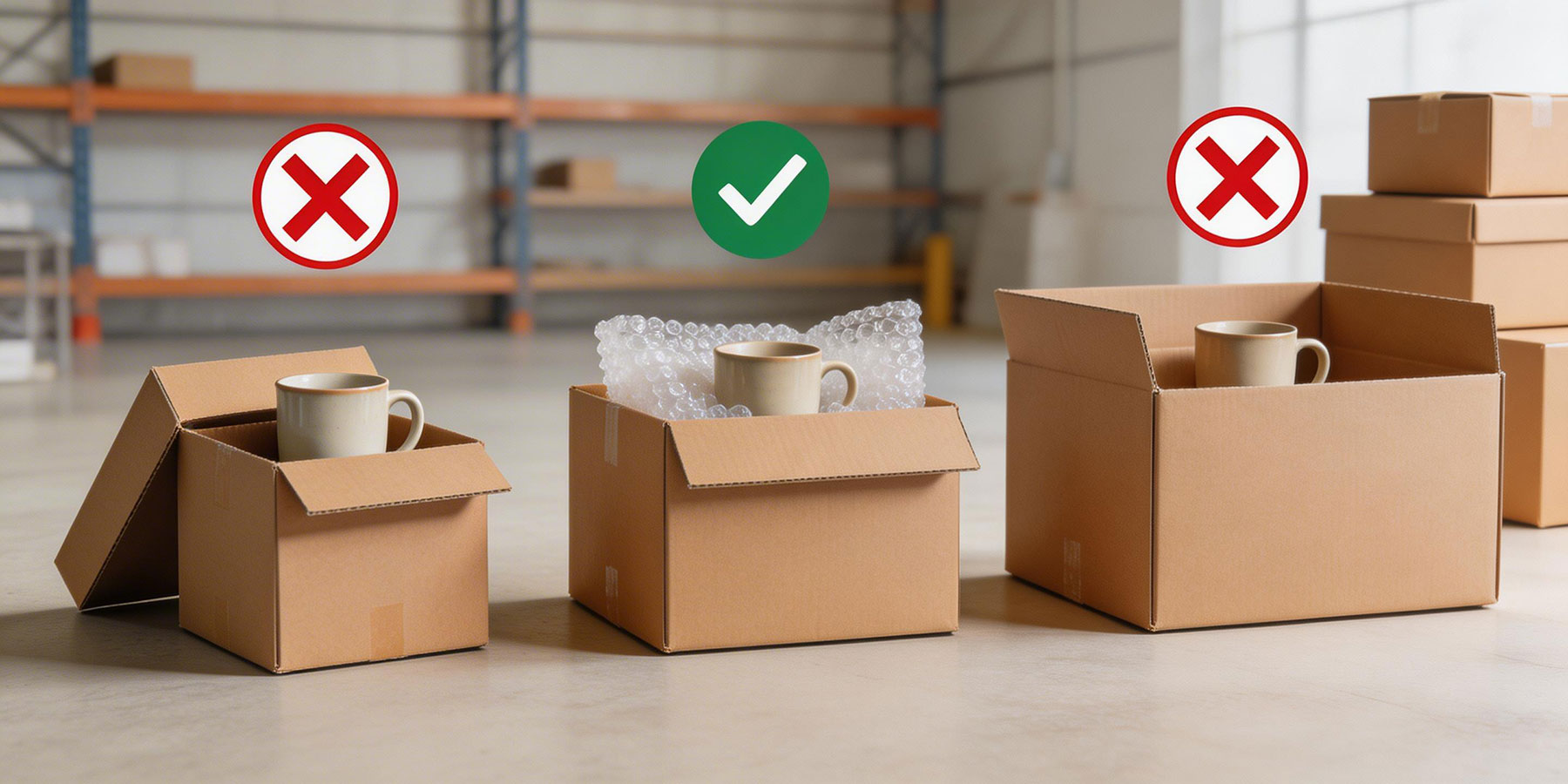
Choosing a mailing box sounds straightforward – find something big enough to fit your product, seal it up, and ship it. But box size is one of the most consequential decisions in your packaging setup, affecting your shipping costs, damage rates, and even how your customers feel when they open the parcel.
Here’s what you need to know to get it right.
Why Box Size Affects Your Shipping Costs
Australian couriers – including Australia Post, StarTrack, and Sendle – charge based on whichever is greater: actual weight or dimensional weight (also called volumetric weight). Dimensional weight is calculated by multiplying the box’s length x width x height and dividing by a cubic factor (typically 4,000 for domestic parcels).
What this means in practice: a large, lightweight box can cost just as much to ship as a heavy one. Oversized boxes inflate your dimensional weight and push you into a higher pricing tier – often unnecessarily. Getting your box size right from the start is one of the easiest ways to keep shipping costs under control.
How to Measure Your Product Correctly
Before selecting a box, measure your product at its widest points:
- Length – the longest side
- Width – the shorter horizontal side
- Height – top to bottom
Then add your padding allowance on all sides. As a general rule:
- Lightweight, non-fragile items: 2-3 cm clearance on each side
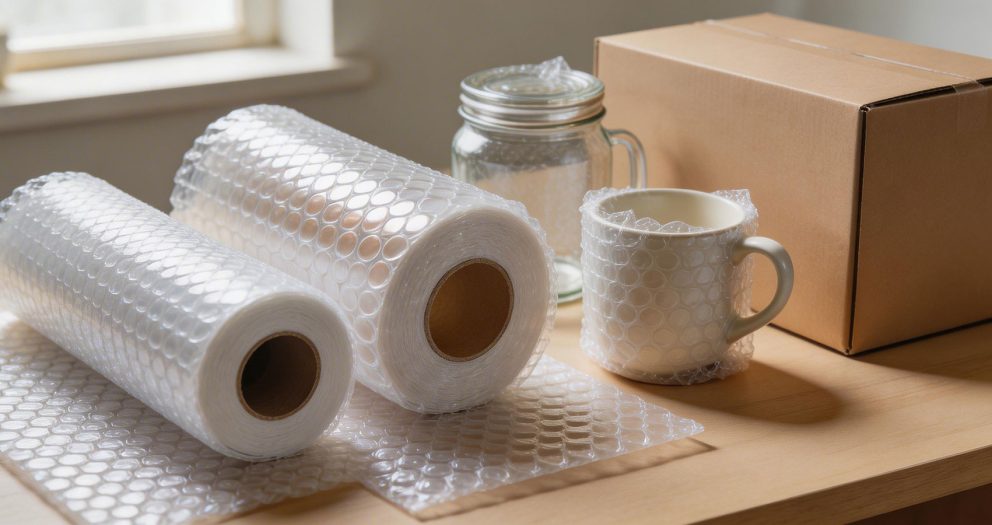
- Fragile or breakable items: at least 5 cm clearance on each side to allow for proper protective material
The goal is a snug fit – enough room for protection, but not so much that your product is rattling around inside.
Matching Box Type to Your Product
Not all mailing boxes are built the same. The right type depends on what you’re shipping.
Standard Cardboard Boxes – General E-commerce Goods
Your go-to for most products: books, homewares, packaged food, beauty products, electronics accessories, and similar items. Standard cardboard boxes come in a wide range of sizes and offer a solid balance of cost and protection for everyday shipping.
Flat Pack Boxes – Apparel, Textiles and Soft Goods
Flat pack boxes are low-profile and fold flat for easy storage – ideal for clothing, accessories, fabric goods, or anything that compresses without damage. Because they ship flat before assembly, they save significant storage space in a small warehouse or home-based packing setup.
Heavy Duty Cardboard Boxes – Dense, Fragile or High-Value Items
If you’re shipping anything dense, fragile, or high in value – machinery parts, glass items, ceramics, tools – standard wall thickness often isn’t enough. Heavy duty cardboard boxes use double or triple wall construction that resists crushing under pressure and handles rougher transit conditions. They cost slightly more per unit but significantly reduce the risk of damage claims.
Cube Boxes – Compact, Square Products
Cube boxes are specifically dimensioned for products that are roughly equal in all three measurements – candles, jars, small gift items, and similar square-profile goods. Using a cube box for a cube-shaped product eliminates wasted space and usually results in a better dimensional weight outcome.
The ‘Too Big’ Problem
One of the most common mistakes is defaulting to a larger box ‘just to be safe.’ The issues with oversizing:
- Higher dimensional weight = higher shipping cost
- Product moves around in transit, increasing damage risk
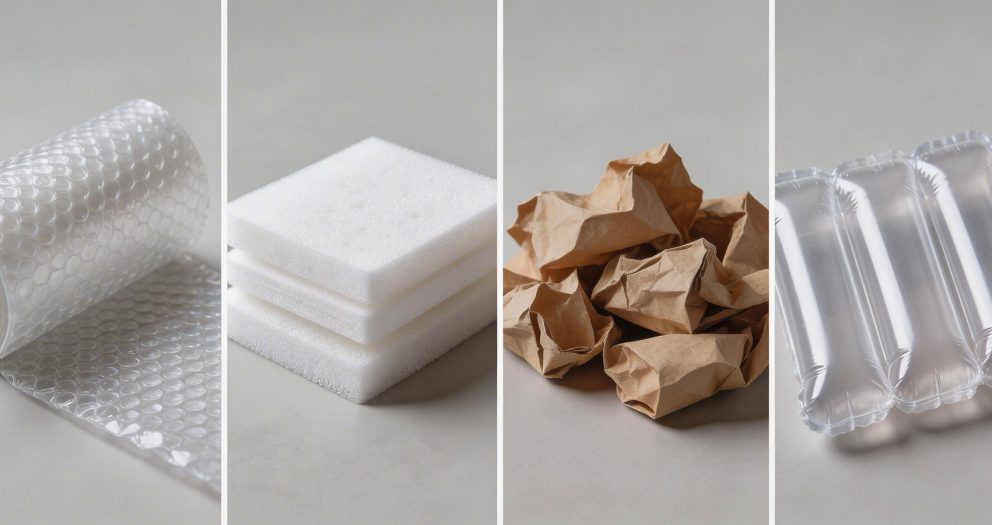
- More void fill needed to compensate, adding material cost and packing time
- Larger parcels take up more space in your storage and on courier vehicles
If your product genuinely needs a buffer – say you’re shipping something fragile – the right approach is to select a correctly sized box and fill the space with appropriate void fill, rather than using an oversized box with inadequate protection.
Quick Reference: Common Products and Box Recommendations
| Product Type | Recommended Box |
|---|---|
| Books, flat items | Standard cardboard, low profile |
| Clothing, accessories | Flat pack boxes |
| Ceramics, glass, electronics | Heavy duty cardboard boxes |
| Candles, jars, small gifts | Cube boxes |
| Multiple small items bundled | Standard cardboard, sized to bundle |
| Very large or irregular items | Heavy duty, custom or oversized |
A Few Final Notes
If you’re shipping at any real volume, it’s worth standardising on two or three box sizes rather than trying to match every product individually. This makes packing faster, simplifies your stock management, and means you can order in bulk – which brings the per-unit cost down considerably.
Stanley Packaging carries a full range of mailing box types and sizes, with stock dispatched within one business day. If you’re not sure where to start, call the team on (03) 8795 7876 – it’s a quick conversation that can save you a lot of trial and error.